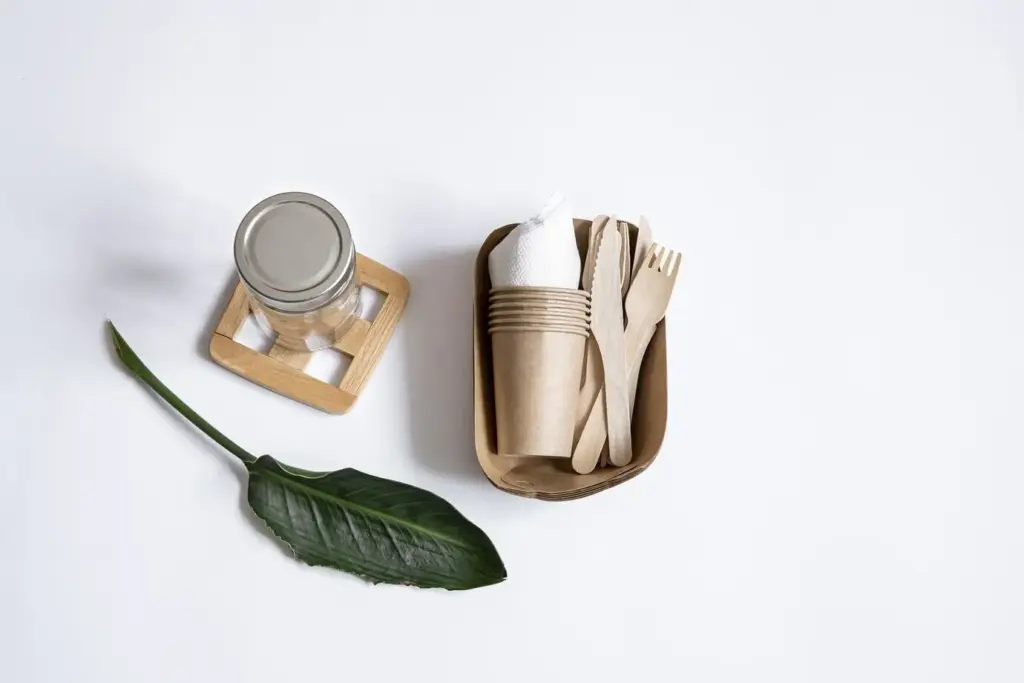
Refill, Reuse, Reimagine

Welcome to an optimistic journey where everyday containers do more with less waste. Today we dive into design innovations in refillable packaging and reusable container systems, exploring materials, ergonomics, smart tracking, and joyful rituals that make refilling simple and satisfying. Expect stories from shops and homes, practical guidance, and bold ideas shaping circular habits. Join the conversation, share your experiences, and subscribe for updates as we rethink convenience, value, and beauty through systems designed to return, again and again.

From Single-Use to Lasting Value

Behavioral shifts at the shelf

When choices highlight savings per refill, visible impact, and easy returns, shoppers naturally pause and reconsider. Clear icons, sturdy handles, and attractive refills make the better option obvious without preaching. One grocer placed refill stations near fresh produce, reframing reuse as a fresh, seasonal act. Over weeks, people started bragging about scuff marks like travel stickers, proof of many purposeful trips. Design seeded pride, and pride sustained the pattern long after initial curiosity faded.

Policy tailwinds and retailer momentum

When choices highlight savings per refill, visible impact, and easy returns, shoppers naturally pause and reconsider. Clear icons, sturdy handles, and attractive refills make the better option obvious without preaching. One grocer placed refill stations near fresh produce, reframing reuse as a fresh, seasonal act. Over weeks, people started bragging about scuff marks like travel stickers, proof of many purposeful trips. Design seeded pride, and pride sustained the pattern long after initial curiosity faded.

A personal moment of return

When choices highlight savings per refill, visible impact, and easy returns, shoppers naturally pause and reconsider. Clear icons, sturdy handles, and attractive refills make the better option obvious without preaching. One grocer placed refill stations near fresh produce, reframing reuse as a fresh, seasonal act. Over weeks, people started bragging about scuff marks like travel stickers, proof of many purposeful trips. Design seeded pride, and pride sustained the pattern long after initial curiosity faded.

Material Choices That Endure

Durability, weight, grip, and beauty must balance across countless cycles. Stainless steel resists dings but needs quiet bases; glass signals purity yet benefits from protective shells; advanced polymers can be featherlight and strong when thoughtfully specified. Designers increasingly favor mono-material bodies, serviceable seals, and hardware that disassembles without frustration. Finishes that hide scuffs tell honest stories instead of demanding perfection. The material narrative becomes visible longevity, where patina, replaceable parts, and repairability demonstrate credible circular intent.

Designing the Refill Experience

Refilling must feel cleaner, faster, and more satisfying than grabbing a new item. That demands thoughtfully shaped spouts, precise flow control, and closures you can open one-handed without leaks. Stations need intuitive interfaces, accessible heights, and prompts that eliminate guesswork. At home, concentrates, dosing caps, and collapsible pouches save space and reduce mess. Trust grows when every touchpoint communicates clarity: how full, how clean, and how to store. Delight, not guilt, sustains repeat behavior over time.

Frictionless station interfaces

Large buttons, clear volume presets, and gentle lighting keep refilling calm, not chaotic. A simple clasp holds containers steady while sensors confirm alignment, preventing errant sprays. Instructions are visual and universal, no jargon or tiny text. Progress bars and audible cues remove uncertainty, and spill lips redirect drips back into catch trays. Even the waiting area matters: hooks for bags, a wipe dispenser, and a friendly shelf for caps. When everything anticipates small needs, habit forms effortlessly.

At-home kits that fit real routines

Kitchen counters are crowded, so compact kits win. Concentrates nest inside refill bottles, dosing caps prevent overuse, and mixing lines are legible from a morning stumble. Designers test with sticky fingers, busy dogs, and half-asleep parents, ensuring closures reseal securely and labels survive splashes. Clear sachets reassure with visible fill levels, while batch dates nudge rotation. A tidy caddy corrals funnels, cloths, and a miniature drying rack. Routines stabilize when kits respect busy lives without asking for perfection.

Intelligence, Tracking, and Returns

Digital passports with a purpose

A quick tap reveals a container’s life: cycles completed, care instructions, and end-of-life options. Privacy matters, so identities focus on the item, not the person. Operators confirm sanitation steps, timestamped and auditable, reducing manual paperwork. Visual dashboards show hotspots where returns lag, prompting targeted incentives or pickup routes. Over time, datasets guide redesign: thicker bases here, new seals there, fewer lost caps everywhere. The passport is not novelty; it is the nervous system connecting design, logistics, and trust.

Deposit systems that feel rewarding

Deposits work when they feel instant, fair, and flexible. Scannable credits appear on receipts immediately, convertible to cash, discounts, or donations to local projects. Bonus tiers celebrate milestones—ten cycles triggers a free refill or an exclusive sleeve. Kiosks accept slightly scuffed items without humiliation, judging function over cosmetics. Messaging stays positive, emphasizing collective wins rather than penalties. When rewards are tangible and gracious, people return containers proudly, fueling circulation without heavy-handed enforcement or complicated fine print.

Data closing the loop

Aggregated insights reveal what surveys miss. Heatmaps highlight neighborhoods embracing refills; timestamps show lunchtime rushes at stations; cleaning logs expose bottlenecks after big events. Designers translate patterns into form changes and wayfinding tweaks, while operations shift routes to meet real behavior. Publishing anonymized dashboards invites community feedback, surfacing practical suggestions from users who live the system daily. Data becomes a dialogue, not surveillance, guiding continuous improvement and ensuring the loop tightens with each honest, measured iteration.

Designing for sanitation at scale

Industrial cleaning lines prefer wide necks, drain-friendly contours, and materials that withstand repeat heat cycles. Designers remove hidden crevices and specify gaskets that release easily for scrubbing or ultrasonic baths. Color-change indicators on caps can signal successful sanitation, reducing guesswork. Drying racks angle bottles to shed droplets quickly, preventing stale smells. With standardized dimensions, facilities batch diverse brands efficiently. When objects are built for washing from day one, throughput rises, costs fall, and confidence solidifies across the entire loop.

Signals that reassure

People trust what they can see, hear, and feel. Audible clicks confirm closures; tear-away ties reveal first openings; transparent windows show fill levels and clarity. Labels avoid medical panic yet convey seriousness with batch numbers and dates. Educational icons travel across languages, supported by a short story explaining cleaning steps. Even a light lavender rinse scent can communicate freshness without lingering in products. These small signals accumulate, transforming uncertainty into comfort and nurturing loyalty that outlasts novelty.

Regulatory alignment, globally

Compliance is a design constraint, not an afterthought. Teams map material approvals region by region, choose inks and adhesives tested for food contact, and document every cleaning protocol. Reuse in cosmetics or beverages invites distinct safeguards, so modular components adapt across categories. Clear traceability satisfies audits while simplifying cross-border scaling. By planning for standards early, launches avoid costly redesigns, and operators gain a toolkit that meets evolving rules. Alignment becomes an enabler, accelerating consistent, confident expansion.

Economics that compound with every cycle

Initial investments in molds, stations, and training can look daunting, yet costs amortize as containers make repeat laps. Fewer one-way materials, steadier inventory, and loyal subscribers stabilize margins. Smart routing curbs transportation waste, and standardized parts lower procurement complexity. The kicker is brand stickiness: once people own a beautiful, comfortable container, switching feels inconvenient. Share transparent unit economics with your audience; when customers see how returns fuel savings, they often advocate, bringing friends into the loop.

Narratives that invite participation

Stories beat statistics when forming habits. Name your container family, share sketches, and introduce the engineers who obsessed over gaskets. Celebrate milestones—one million liters saved—with community photos, not just charts. Feature user hacks, like a strap that doubles as a measuring guide. Invite comments and requests, then release small, thoughtful updates. Ask readers to subscribe, test pilot batches, and vote on colors. Participation turns customers into collaborators, and collaboration becomes the heartbeat that keeps the system alive.

Measuring what matters

Beyond tonnage avoided, track refill frequency, user satisfaction at stations, cleaning turnaround time, and the percentage of containers reaching design lifetime. Pair quantitative insights with short interviews capturing feelings, frustrations, and delights. Publish your scorecard, including misses and next steps, to build credibility. Encourage readers to send photos or notes from their routines, and respond with improvements. Measurement should guide empathy and action, proving that a container’s success lives not only in loops counted but in people contentedly returning.
Papelalitino
Privacy Overview

This website uses cookies so that we can provide you with the best user experience possible. Cookie information is stored in your browser and performs functions such as recognising you when you return to our website and helping our team to understand which sections of the website you find most interesting and useful.